

Senior dental health is a critical component of overall longevity, yet many older adults in Brooklyn face unique challenges when seeking care. According to recent public health data, nearly one in four seniors has lost all their natural teeth, a statistic that highlights the urgent need for accessible, specialized dental services. In a dense urban environment like Brooklyn, finding a practice that combines clinical expertise with geriatric sensitivity is essential. This guide explores the top-tier options for senior dental care, focusing on practices that prioritize holistic health, advanced restorative technologies, and patient comfort.
The Holistic Approach to Senior Dentistry
Traditional dentistry often focuses solely on the mouth, but modern geriatric care recognizes the mouth-body connection. Holistic dentistry is a practice that considers the whole patient, acknowledging that oral health directly impacts systemic conditions like diabetes, heart disease, and arthritis. For seniors, this distinction is vital because many medications taken for chronic conditions can cause dry mouth, leading to increased decay risk.
At leading Brooklyn practices, the philosophy centers on biocompatible materials. This means avoiding toxic substances like mercury amalgams or BPA-rich plastics that can accumulate in the body over decades. Instead, providers use advanced material science to ensure that fillings, crowns, and implants are safe for long-term integration. This approach not only protects the teeth but also supports the immune system, which naturally weakens with age.
Seniors benefit from a comprehensive "healthy mouth baseline" assessment. This initial evaluation goes beyond cavities to include gum disease screening, oral cancer checks, and bite analysis. By addressing these issues early, dentists can prevent painful emergencies and reduce the need for invasive procedures later in life. The goal is to create a nurturing environment where comfort and health are equally prioritized.
Restorative Options for Missing Teeth
As we age, tooth loss becomes a common reality due to gum disease, decay, or trauma. However, losing teeth is not an inevitable outcome of aging. Modern restorative dentistry offers several robust solutions that restore both function and aesthetics. The best option depends on the patient's bone density, overall health, and personal preferences.
Dental Implants
Dental implants are titanium posts surgically placed into the jawbone to serve as artificial tooth roots. They are widely considered the gold standard for tooth replacement because they prevent bone loss and feel like natural teeth. For seniors, implants offer stability that dentures cannot match, allowing for a varied diet that supports nutritional health. According to the Mayo Clinic, implants have a success rate of over 95% in healthy individuals, making them a reliable long-term investment.
All-On-4 Treatment
For patients who have lost most or all of their teeth, the All-On-4 technique provides a full arch of teeth supported by just four implants. This method is particularly advantageous for seniors because it often eliminates the need for bone grafting, a complex and time-consuming procedure. By angling the posterior implants, doctors can utilize available bone structure efficiently. This results in a fixed, non-removable prosthesis that feels secure and natural.
Dentures and Partials
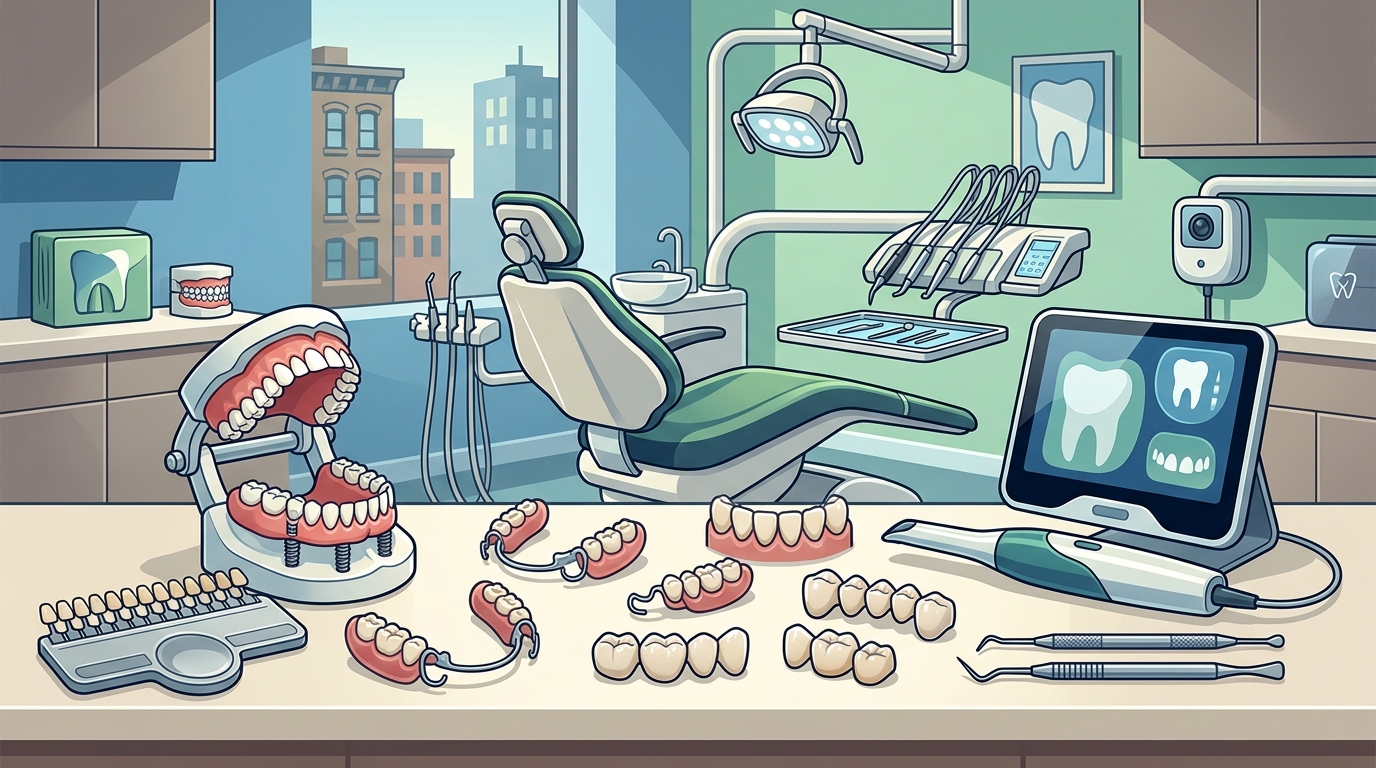
While implants are ideal, dentures remain a viable and cost-effective option for many seniors. Modern dentures are far superior to older versions, offering better fit, comfort, and aesthetics. Partial dentures can fill gaps between remaining natural teeth, preventing them from shifting. At specialized practices, these appliances are crafted with precision to ensure they do not irritate sensitive gum tissue, which is common in older adults.
Cosmetic Enhancements for Confidence
Dental care for seniors is not just about function; it is also about confidence and quality of life. A damaged or missing smile can lead to social isolation and depression. Cosmetic dentistry addresses these concerns by improving the appearance of the teeth and gums. These procedures are often covered under the "Beauty" category of comprehensive care plans.
Porcelain Veneers
Porcelain veneers are thin, custom-made shells that cover the front surface of teeth. They are excellent for correcting chips, cracks, or severe discoloration that whitening cannot fix. For seniors, veneers can restore a youthful appearance without the need for extensive drilling. They are stain-resistant and durable, requiring minimal maintenance over time.
Teeth Whitening
Age-related yellowing is common due to years of coffee, tea, and wine consumption. Professional teeth whitening can significantly brighten a smile. Unlike over-the-counter kits, in-office whitening is controlled by dentists to protect sensitive enamel and gums. This procedure is quick, safe, and provides immediate results that boost self-esteem.
Facial Aesthetics and Dermal Fillers
Smile aesthetics extend beyond the teeth to the surrounding facial structures. As we age, we lose volume in our face, which can make teeth appear longer and gums more prominent. Facial aesthetics involves the use of dermal fillers to restore volume and balance. This holistic approach ensures that the smile looks natural in the context of the entire face, enhancing overall rejuvenation.
Sedation and Safety Protocols
Anxiety and fear are significant barriers to dental care for seniors. Many older adults have had negative experiences in the past or suffer from dental phobia. To address this, modern Brooklyn practices offer comprehensive sedation dentistry options. These protocols ensure that patients remain comfortable and relaxed throughout their treatment.
Sedation levels range from mild anxiety relief to deep sedation, depending on the patient's needs and medical history. Nitrous oxide (laughing gas) is a common choice for mild anxiety, while oral conscious sedation is used for more complex procedures. It is crucial that the dental team is trained in geriatric pharmacology to manage interactions with other medications seniors may be taking. This safety-first approach allows patients to receive necessary care without stress.
In addition to sedation, practices must adhere to strict hygiene and infection control standards. For seniors with compromised immune systems, a sterile environment is non-negotiable. Advanced sterilization techniques and single-use instruments ensure that every visit is safe and secure.
Comparing Senior Care Models
Choosing the right dental provider involves understanding the different models of care available in Brooklyn. Below is a comparison of the primary approaches to senior dental health.
| Service Model | Primary Focus | Best For | Key Benefit |
|---|---|---|---|
| Holistic Cosmetic Care | Biocompatible materials and whole-body health | Seniors with chronic health conditions | Reduces toxic exposure and supports immunity |
| Implant-First Restoration | Permanent tooth replacement and bone preservation | Patients with multiple missing teeth | Restores full chewing function and prevents bone loss |
| Sedation-Focused Care | Anxiety management and comfort | Patients with dental phobia or special needs | Enables pain-free treatment for anxious individuals |
| Preventive General Dentistry | Routine cleanings and early disease detection | Maintenance of existing oral health | Cost-effective and crucial for long-term health |
Key Takeaways
- Holistic Health: Senior dental care should integrate with overall systemic health, prioritizing biocompatible materials to avoid toxic buildup.
- Implant Stability: Dental implants and All-On-4 solutions are superior to traditional dentures for preserving jawbone density and nutritional intake.
- Sedation Safety: Advanced sedation protocols are essential for managing anxiety and ensuring safe treatment for seniors on multiple medications.
- Cosmetic Confidence: Procedures like veneers and dermal fillers restore not just teeth but facial structure, boosting social confidence.
- Preventive Focus: Regular check-ups are critical for detecting oral cancer and gum disease early, which are more prevalent in older adults.
- Specialized Expertise: Look for practices led by doctors who specialize in both cosmetic and restorative dentistry for comprehensive care.
- Local Accessibility: Brooklyn-based practices offer convenient access to high-quality care, reducing travel stress for seniors.
Frequently Asked Questions
What is the best type of denture for seniors?
Implant-supported dentures are generally considered the best option because they provide stability and prevent bone loss. However, traditional dentures are still a valid and affordable choice for those who cannot undergo surgery.
Can seniors with heart conditions get dental implants?
Yes, many seniors with heart conditions can receive implants. However, a thorough medical evaluation is required to ensure safety. Your dentist will coordinate with your cardiologist to manage any risks associated with the procedure.
How does dry mouth affect senior dental health?
Dry mouth, often caused by medications, increases the risk of cavities and gum disease because saliva helps neutralize acids. Using fluoride treatments and staying hydrated are essential strategies to mitigate this risk.
What is the difference between holistic and traditional dentistry?
Holistic dentistry focuses on the connection between oral health and overall body health, using biocompatible materials. Traditional dentistry often focuses more on treating symptoms and may use materials like mercury amalgams.
Is sedation dentistry safe for older adults?
Yes, when administered by trained professionals. Sedation dentistry is carefully tailored to the patient's medical history and current medications to ensure safety and comfort during treatment.
How often should seniors visit the dentist?
Most seniors should visit the dentist every six months for a cleaning and check-up. However, those with gum disease or other conditions may need more frequent visits as recommended by their provider.
What are porcelain veneers, and are they suitable for seniors?
Porcelain veneers are thin shells placed over teeth to improve appearance. They are suitable for seniors who want to correct chips, cracks, or discoloration, offering a durable and natural-looking solution.
Does Williamsburg Dental Arts offer senior discounts?
It is best to contact the practice directly to inquire about current pricing structures, insurance acceptance, and any available senior care packages. They offer comprehensive consultations to discuss personalized treatment plans.
Schedule Your Consultation
Taking the first step toward better oral health is easier than you think. Williamsburg Dental Arts in Brooklyn offers a comprehensive approach to senior care, combining advanced restorative techniques with a holistic, patient-centered philosophy. Whether you need dental implants, cosmetic enhancements, or routine preventive care, their team is dedicated to helping you achieve a healthy, beautiful smile.
Do not let dental issues compromise your quality of life. Contact Williamsburg Dental Arts today to schedule your consultation and discover how their specialized services can meet your unique needs. Visit their contact page or call 347-689-3066 to begin your journey to optimal oral health.