

Teeth whitening is one of the most requested cosmetic dental procedures in New York City, with the global teeth whitening market projected to reach significant growth by 2030 according to recent market analysis reports. In Brooklyn, residents have access to a wide array of options ranging from professional in-office treatments to over-the-counter kits. Understanding the differences in efficacy, safety, and longevity is crucial for achieving a bright, healthy smile without compromising oral health. This guide explores the top whitening modalities available at practices like Williamsburg Dental Arts and helps you determine which path aligns with your aesthetic goals.
Professional In-Office Whitening
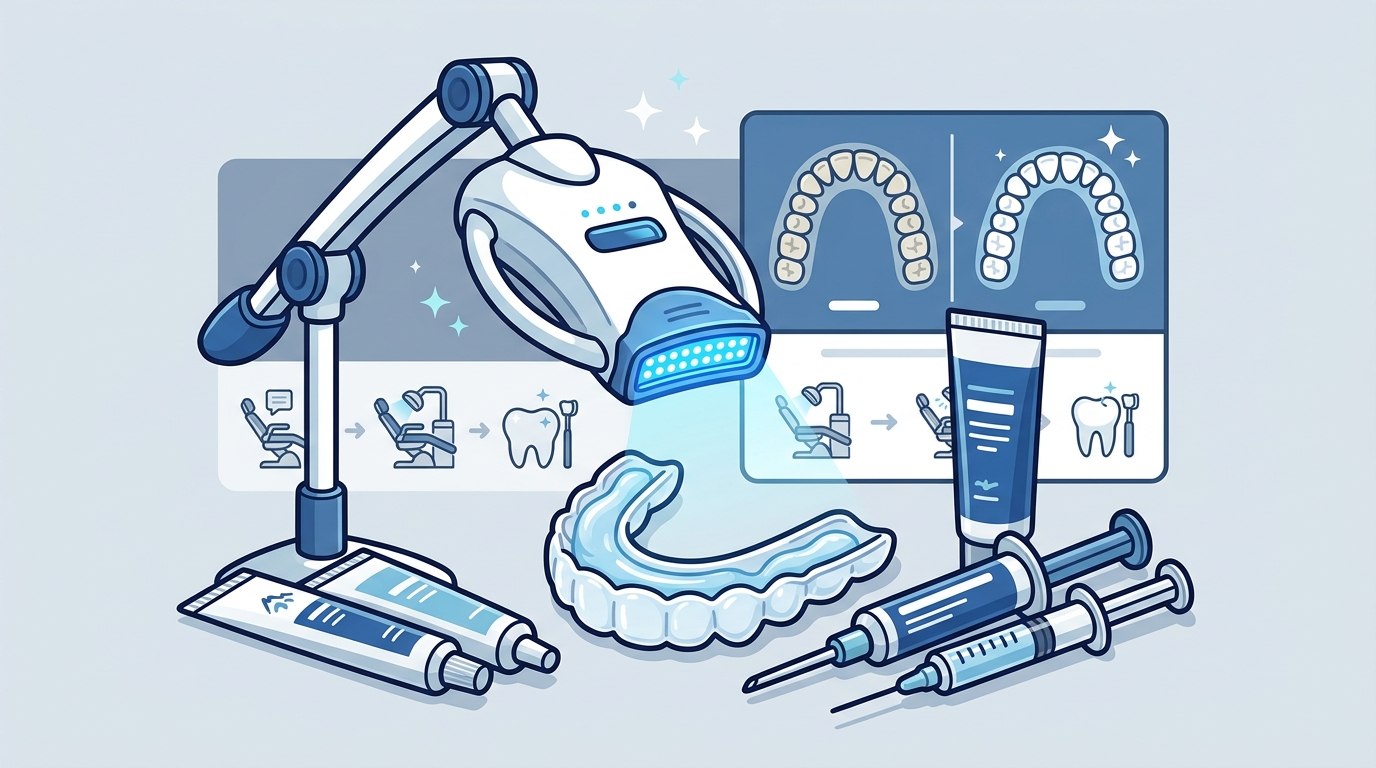
Professional in-office whitening remains the gold standard for immediate, dramatic results. At Williamsburg Dental Arts, this process utilizes high-concentration hydrogen peroxide or carbamide peroxide gels activated by specialized LED lights. This method allows for up to eight shades of whitening in a single visit, making it ideal for patients preparing for special events or those seeking instant gratification.
The primary advantage of this approach is the controlled environment. Dentists can protect your gums and soft tissues with barriers, minimizing the risk of chemical burns or uneven whitening that often occurs with DIY methods. Furthermore, the technology used in modern clinics ensures that the bleaching agent penetrates the enamel effectively without damaging the tooth structure. For those in Brooklyn looking for cosmetic dentistry, this is often the first recommendation for severe staining caused by coffee, wine, or tobacco.
How It Works
The procedure begins with a thorough cleaning to remove surface plaque and tartar. Next, a protective gel or rubber dam is applied to the gums. The whitening agent is then painted onto the teeth in layers, with each layer exposed to the light for a specific duration. The entire process typically takes between 60 to 90 minutes. Patients often report a tingling sensation, which is normal and indicates the active ingredients are working.
Custom Take-Home Trays
For patients who prefer a more gradual approach or have sensitive teeth, custom take-home trays offer a balanced solution. Unlike mass-produced drugstore trays, custom trays are molded specifically to your teeth by your dentist. This ensures a snug fit that prevents the whitening gel from leaking onto the gums, which can cause irritation.
Williamsburg Dental Arts provides personalized take-home kits that include professional-grade whitening gel. Patients wear the trays for a few hours each day or overnight, depending on the prescribed protocol. While the results take longer to appear than in-office treatments, the whitening is often more uniform and easier to maintain over time. This method is particularly effective for mild to moderate discoloration and allows for touch-ups as needed.
Benefits of Customization
The customization aspect is critical for comfort and efficacy. Generic trays often leave gaps that allow gel to escape, leading to wasted product and potential gum damage. Custom trays ensure that the maximum amount of whitening agent stays in contact with the tooth surface. Additionally, your dentist can monitor your progress and adjust the treatment plan if you experience sensitivity. This level of oversight is a key benefit of choosing professional dental care over over-the-counter alternatives.
Veneers vs. Whitening
Sometimes, whitening alone is not enough to achieve the desired smile. In such cases, porcelain veneers may be the superior option. Veneers are thin, custom-made shells of porcelain that cover the front surface of the teeth. They are highly resistant to stains and can correct issues that whitening cannot, such as chips, gaps, or severe intrinsic discoloration.
Porcelain veneers are a permanent solution that requires the removal of a small amount of enamel. This procedure is irreversible, which is why it is typically reserved for cases where whitening has failed or is not viable. However, the aesthetic results are unparalleled, providing a bright, uniform, and flawless smile. For patients considering this route, it is essential to consult with a specialist in porcelain veneers to discuss the long-term implications and maintenance requirements.
When to Choose Veneers
Consider veneers if you have tetracycline staining, fluorosis, or if your teeth are naturally gray or brown. These types of discoloration are often resistant to traditional bleaching agents. Veneers also offer the added benefit of improving the shape and alignment of teeth, providing a comprehensive smile makeover. While the initial cost is higher than whitening, the durability and stain resistance of porcelain make them a cost-effective long-term investment for many patients.
Safety and Sensitivity
Safety is the paramount concern in any cosmetic dental procedure. Professional whitening treatments are safe when performed under the supervision of a licensed dentist. The American Dental Association (ADA) recognizes professional whitening as a safe and effective treatment for tooth discoloration. However, improper use of high-concentration gels can lead to gum irritation, tooth sensitivity, and even enamel damage.
Tooth sensitivity is a common side effect of whitening. This occurs because the bleaching agents penetrate the enamel to reach the dentin, which contains nerve endings. This sensitivity is usually temporary and subsides within a few days. Dentists can prescribe desensitizing agents or recommend specific toothpastes to manage this discomfort. It is crucial to avoid over-the-counter products with unregulated concentrations of peroxide, as these can cause unpredictable results and harm.
Protecting Your Enamel
Healthy enamel is the foundation of a successful whitening treatment. If your enamel is already compromised due to acid erosion or decay, whitening can exacerbate sensitivity and cause further damage. A comprehensive dental exam is necessary before starting any whitening regimen. This ensures that any underlying issues, such as cavities or gum disease, are treated first. At Williamsburg Dental Arts, we prioritize general dentistry health to ensure your smile is not only beautiful but also strong and resilient.
Long-Term Maintenance
Whitening results are not permanent. The longevity of your bright smile depends on your lifestyle and oral hygiene habits. Foods and drinks such as coffee, tea, red wine, and berries can stain teeth over time. Tobacco use is also a major contributor to discoloration. To maintain your results, it is recommended to limit the consumption of these staining agents or rinse your mouth with water after consuming them.
Regular dental cleanings are essential for maintaining whitening results. Professional cleanings remove surface stains that brushing and flossing cannot eliminate. Additionally, using a straw for beverages can help minimize contact between the liquid and your teeth. For touch-ups, your dentist may recommend periodic use of your take-home trays or in-office treatments. Consistency is key to keeping your smile bright and confident.
Oral Hygiene Best Practices
Beyond diet, your daily oral hygiene routine plays a significant role. Brushing twice a day with a fluoride toothpaste and flossing daily helps prevent plaque buildup, which can attract stains. Using an electric toothbrush can be more effective at removing surface stains than a manual brush. Furthermore, staying hydrated helps maintain saliva production, which naturally cleanses the mouth and neutralizes acids. These simple habits can extend the life of your whitening treatment and protect your overall oral health.
Key Takeaways
- Professional In-Office Whitening: Provides immediate results, often up to eight shades lighter, in a single 60-90 minute visit.
- Custom Take-Home Trays: Offer a gradual, controlled whitening process with less sensitivity, ideal for mild to moderate staining.
- Veneers for Severe Cases: Porcelain veneers are the best option for intrinsic staining or structural corrections that whitening cannot address.
- Safety First: Always consult a dentist before whitening to ensure enamel health and prevent gum irritation from unregulated products.
- Maintenance is Crucial: Limit staining foods and drinks, and attend regular cleanings to prolong the effects of your treatment.
- Williamsburg Dental Arts: Located at 38 Meserole Street, Brooklyn, NY, offering comprehensive cosmetic and general dental services.
- Expert Care: Led by Dr. Konstantin Rubinov, the practice focuses on holistic, biocompatible materials and patient comfort.
Frequently Asked Questions
How long does professional teeth whitening last?
Results typically last from six months to two years, depending on your diet and oral hygiene habits. Regular touch-ups can extend this duration significantly.
Is teeth whitening safe for sensitive teeth?
Yes, but it requires careful management. Dentists can use desensitizing agents and lower-concentration gels to minimize discomfort for patients with sensitive teeth.
Can I whiten my teeth if I have crowns or veneers?
No, whitening agents do not affect artificial restorations. If you have crowns or veneers, you may need to replace them to match your newly whitened natural teeth.
What is the difference between in-office and take-home whitening?
In-office whitening uses higher concentrations of gel for faster results, while take-home trays use lower concentrations for gradual whitening over several weeks.
How much does teeth whitening cost in Brooklyn?
Costs vary based on the method chosen. In-office treatments are generally more expensive due to the immediate results and professional supervision, while take-home kits are more affordable.
Are there any risks associated with teeth whitening?
The primary risks are temporary tooth sensitivity and gum irritation. These are minimized by professional supervision and proper application techniques.
Can I whiten my teeth at home with DIY methods?
While DIY methods exist, they carry a higher risk of uneven results and gum damage. Professional custom trays provide a safer and more effective alternative.
What should I avoid after teeth whitening?
Avoid dark-colored foods and drinks, tobacco, and acidic substances for at least 48 hours after treatment to prevent immediate re-staining.
Schedule Your Consultation Today
Achieving the perfect smile requires expert guidance and personalized care. Whether you are interested in professional in-office whitening, custom take-home trays, or porcelain veneers, Williamsburg Dental Arts is here to help. Our team, led by Dr. Konstantin Rubinov, is dedicated to providing safe, effective, and aesthetically pleasing results. Contact us at 347-689-3066 or visit our contact page to schedule your consultation. Let us help you achieve the bright, confident smile you deserve.