

Replacing missing teeth with dental implants has become a standard solution for restoring oral function and aesthetics in Brooklyn, NY. According to the American College of Prosthodontists, approximately 120 million Americans are missing all their teeth, and the demand for implant-supported solutions continues to rise as patients prioritize long-term oral health over temporary fixes. This guide explores how dental implants work, who qualifies for the procedure, and why choosing a specialized practice like Williamsburg Dental Arts in Brooklyn can significantly impact your treatment outcomes.
What Are Dental Implants?
Dental implants are artificial tooth roots, typically made of titanium, that are surgically placed into the jawbone to support replacement teeth. Unlike dentures or bridges, implants integrate with the bone through a process called osseointegration, providing a stable foundation for crowns, bridges, or dentures. This integration prevents bone loss, which is a common consequence of tooth loss, and helps maintain facial structure.
At Williamsburg Dental Arts, we utilize advanced biocompatible materials to ensure that your implants are not only durable but also safe for long-term systemic health. Our approach focuses on holistic dentistry, meaning we consider how your oral health impacts your overall well-being. For more details on our philosophy, visit our About the Practice page.
Am I Eligible for Implants?
Not everyone is an immediate candidate for dental implants. Several factors influence eligibility, including bone density, gum health, and overall medical history. Generally, you must have sufficient jawbone volume to support the implant. If you have experienced bone loss due to periodontal disease or long-term tooth absence, you may require a bone graft before implant placement.
Smoking can significantly impair the healing process and increase the risk of implant failure. Patients who smoke are often advised to quit or reduce smoking before undergoing surgery. Additionally, uncontrolled diabetes or autoimmune disorders may require special consideration and coordination with your primary care physician. Our team at Williamsburg Dental Arts conducts a thorough evaluation to determine your specific needs. You can learn more about our diagnostic capabilities on our Services page.
All-On-4 vs. Traditional Implants
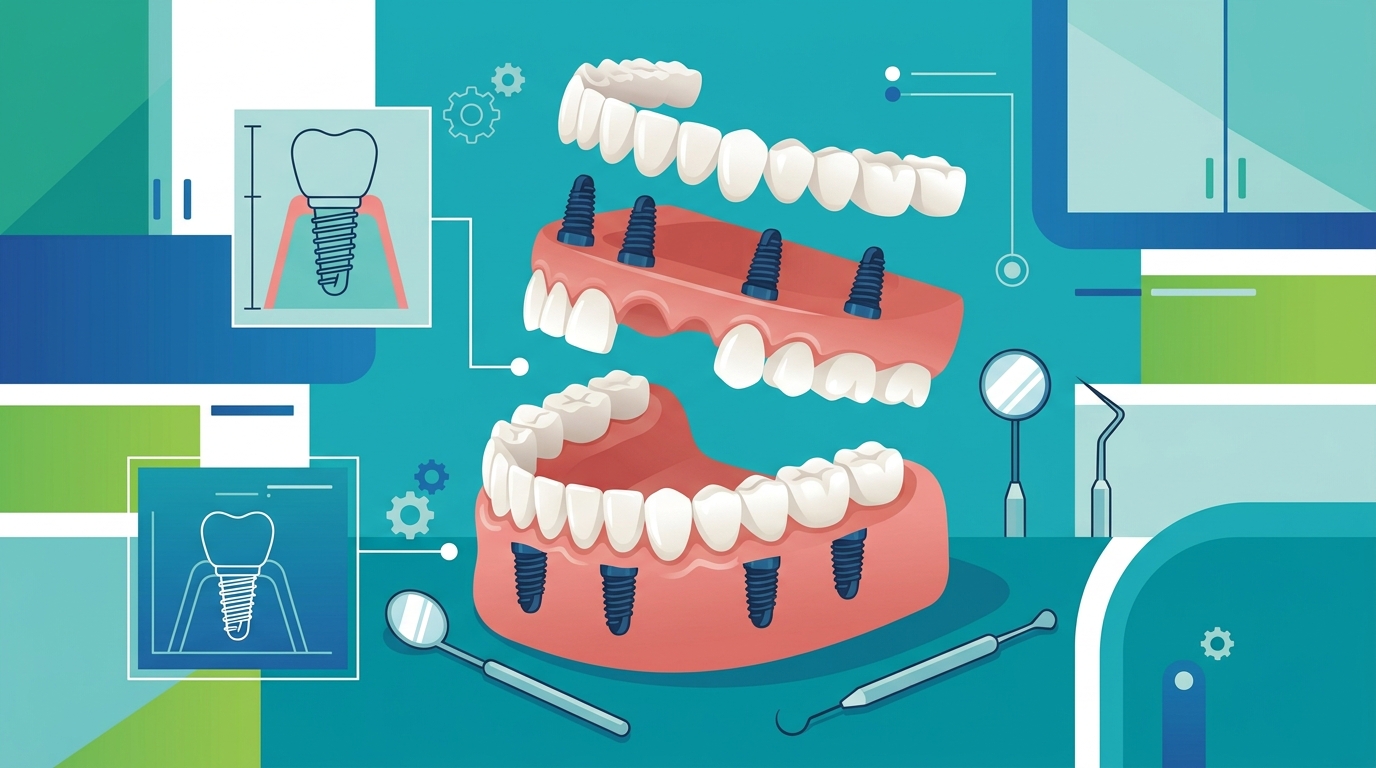
For patients missing most or all of their teeth, the All-On-4 technique offers a streamlined alternative to traditional implant dentistry. This method uses four strategically placed implants to support a full arch of replacement teeth. The posterior implants are angled to maximize bone contact and avoid the need for extensive bone grafting.
| Feature | All-On-4 Implants | Traditional Implants |
|---|---|---|
| Number of Implants | 4 per arch | 6-8 per arch |
| Bone Grafting | Often unnecessary | Frequently required |
| Treatment Time | Faster recovery | Longer healing period |
| Cost Efficiency | More cost-effective | Higher overall cost |
All-On-4 implants are particularly beneficial for Brooklyn residents seeking a reliable solution for full-mouth restoration. The procedure allows for immediate function, meaning you can leave the office with a temporary set of teeth on the same day as surgery. For more information on our restorative options, explore our Full Mouth Restoration services.
The Implant Process in Brooklyn
Undergoing dental implant surgery in Brooklyn involves several distinct phases. The process begins with a comprehensive consultation and 3D imaging to plan the precise placement of the implants. This planning ensures that the implants avoid critical nerves and sinuses while maximizing stability.
Phase 1: Surgical Placement
During the surgery, the titanium posts are inserted into the jawbone. This is typically performed under local anesthesia or sedation dentistry, ensuring your comfort throughout the procedure. Williamsburg Dental Arts offers various sedation options to alleviate anxiety. Learn more about our Sedation Dentistry services.
Phase 2: Osseointegration
After surgery, a healing period of three to six months is required for the implants to fuse with the bone. During this time, you may wear a temporary denture to maintain aesthetics and function. Regular follow-up visits are essential to monitor healing.
Phase 3: Abutment and Crown Placement
Once osseointegration is complete, abutments are attached to the implants. These serve as connectors for the final prosthetic teeth. Custom-made crowns or bridges are then fabricated to match your natural tooth color and shape, providing a seamless and natural appearance.
Benefits and Long-Term Care
Dental implants offer numerous advantages over other tooth replacement methods. They prevent bone loss by stimulating the jawbone, which helps maintain facial structure and prevents the "sunken" look associated with tooth loss. Implants also improve chewing efficiency, allowing you to enjoy a varied diet without discomfort.
Maintaining your implants requires diligent oral hygiene. Brushing twice daily, flossing, and attending regular dental cleanings are crucial for preventing peri-implantitis, a condition similar to gum disease that can affect implants. Our team at Williamsburg Dental Arts provides personalized care plans to ensure the longevity of your investment. For more on our preventive care, visit our General Dentistry page.
Key Takeaways
- Dental implants are titanium posts that fuse with the jawbone to support replacement teeth.
- All-On-4 implants use four strategically placed posts to support a full arch, often eliminating the need for bone grafts.
- Eligibility depends on bone density, gum health, and overall medical conditions.
- The process involves surgical placement, a healing period for osseointegration, and final crown attachment.
- Implants prevent bone loss and improve chewing function compared to traditional dentures.
- Williamsburg Dental Arts in Brooklyn offers comprehensive implant services led by experienced providers.
- Long-term success requires excellent oral hygiene and regular professional check-ups.
Frequently Asked Questions
How long do dental implants last?
With proper care, dental implants can last a lifetime. The titanium post is designed to integrate permanently with the bone, while the crown may need replacement after 10 to 15 years due to normal wear.
Is the implant surgery painful?
Most patients report minimal discomfort during the procedure due to effective anesthesia. Post-operative pain is typically manageable with over-the-counter medication. We also offer sedation dentistry for anxious patients.
Can I get implants if I have gum disease?
Active gum disease must be treated before implant placement to ensure success. Our team will address any periodontal issues during your initial consultation.
How much do dental implants cost in Brooklyn?
Cost varies based on the number of implants and the complexity of the case. All-On-4 implants often provide a more cost-effective solution for full-mouth restoration. Contact us for a detailed estimate.
What is the recovery time for All-On-4 implants?
Initial swelling and discomfort usually subside within a week. Full healing and osseointegration take three to six months. You can return to normal activities within a few days.
Are dental implants covered by insurance?
Many dental insurance plans cover a portion of the implant procedure, particularly the crown or abutment. We accept various insurance plans and can help you understand your benefits. See our Insurance page for details.
Contact Williamsburg Dental Arts
If you are considering dental implants in Brooklyn, NY, Williamsburg Dental Arts is here to help. Our experienced team, led by Dr. Konstantin Rubinov, provides personalized care using the latest technology. We are located at 38 Meserole Street, Brooklyn, NY 11206. Call us at 347-689-3066 to schedule your consultation. Visit our Contact page to book online or learn more about our practice.